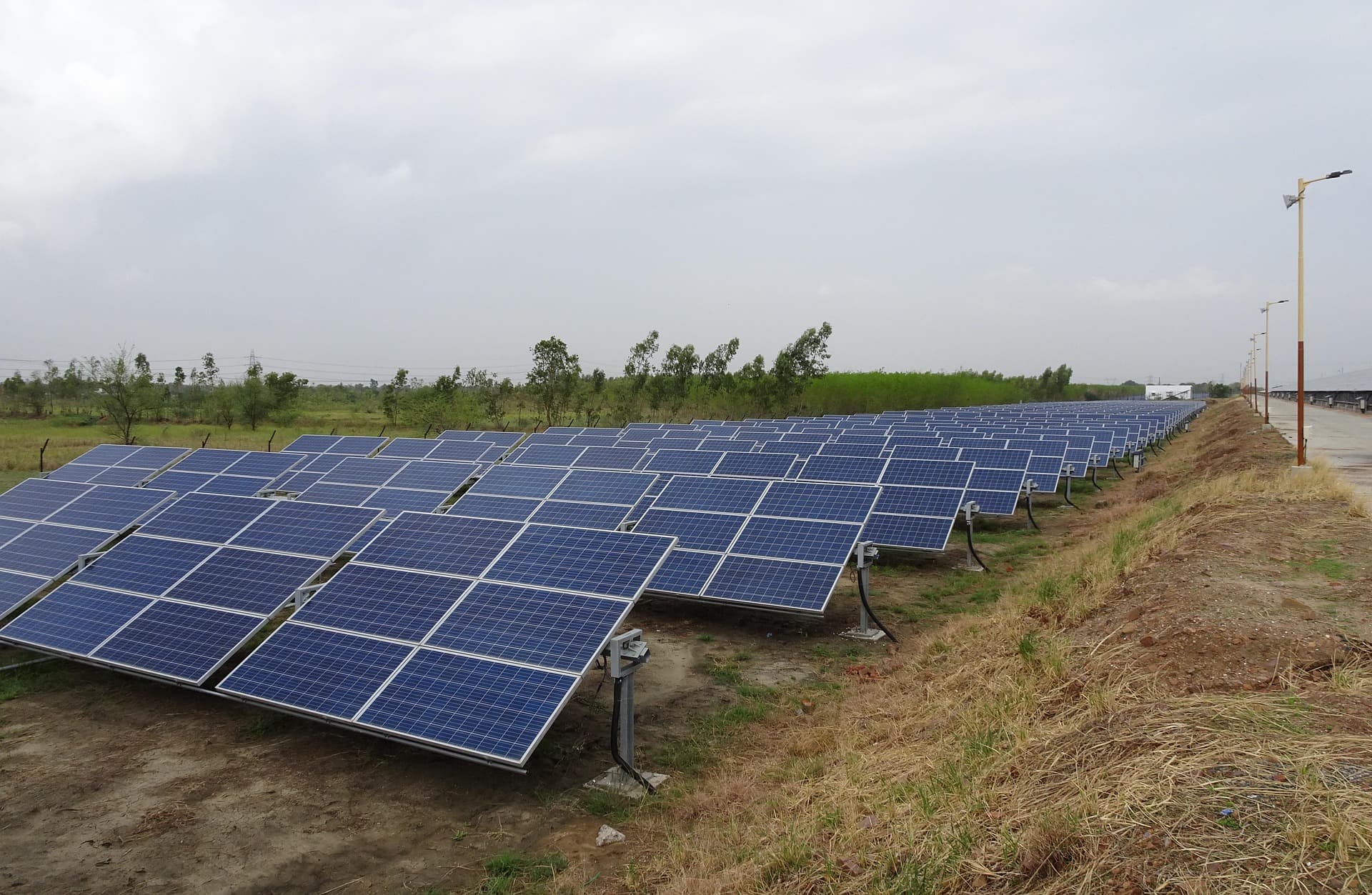
Brookfield Renewable Partners (BEP) stands at the intersection of two of the most powerful secular forces in global capital markets: the energy transition from fossil fuels to renewable generation, and the AI-driven surge in data center power demand that is forcing hyperscalers to secure clean, reliable baseload energy at multi-decade scale. In GZC's Pool Two energy framework, BEP represents the clean power infrastructure layer — the renewable generation capacity that hyperscalers are increasingly contracting through long-term Power Purchase Agreements as both a corporate sustainability commitment and a practical hedge against grid power price volatility.
The demand signal from hyperscalers for renewable power is unlike anything the clean energy industry has seen before. Google, Microsoft, Amazon, and Meta have all committed to 100% renewable energy sourcing across their global operations — commitments backed not by aspirational press releases but by signed, multi-decade Power Purchase Agreements with renewable generators. These contracts represent non-discretionary capital commitments from counterparties with investment-grade balance sheets and structural motivation to honor them. For Brookfield Renewable, which has the geographic scale, development pipeline, and customer relationships to serve these agreements, the hyperscaler clean power demand is an incremental, high-quality revenue stream layered on top of an already globally diversified renewable portfolio.
Brookfield Renewable's portfolio diversification is the foundational risk management feature of the investment. Unlike pure-play solar or wind developers, Brookfield operates across hydro, wind, solar, distributed generation, and battery storage — a diversification that smooths the intermittency risk of any single generation technology. The hydroelectric business, in particular, provides stable, dispatchable generation with operating cost structures that are extremely low once the capital investment is made — a decades-long cash flow engine that is largely immune to commodity cost inflation. This stable base funds the development pipeline and provides the distribution yield that income-oriented investors value.
Key Metrics Snapshot
| Field | Detail |
|---|---|
| Ticker | BEP |
| Sector | Renewable Energy / Infrastructure |
| Theme | Energy Transition, Hyperscaler Clean Power PPAs, AI Power Demand |
| Investment Bias | Bullish |
| Time Horizon | 6–24 months |
| Target Range | $50–$60 |
Green Zone Capital Thesis
BEP represents a key Pool Two holding providing clean energy exposure that is critical to the AI and semiconductor infrastructure cycle. As hyperscalers commit to clean power sourcing at unprecedented scale and timeline, the question is not whether renewable power demand will grow — it is which operators are large enough and credible enough to be the counterparty for multi-decade, multi-gigawatt clean power contracts. Brookfield Renewable is one of very few global operators that can answer affirmatively.
The scale of the development pipeline is the most compelling forward indicator. Brookfield Renewable's development pipeline exceeds 100 GW — a number that puts it in a category of global renewable operators that can make meaningful commitments to hyperscaler and industrial clean power demand without being operationally overwhelmed by the scale of what is being requested. Large-scale clean power buyers do not want to be managing dozens of small renewable contractors — they want one or two partners who can supply gigawatts of capacity across multiple geographies and technologies. Brookfield's scale and geographic diversity position it as one of those preferred partners.
The contracted revenue structure is the investment quality feature that makes BEP appropriate for GZC's portfolio. Approximately 90% of Brookfield Renewable's generation capacity is contracted under long-term offtake agreements — typically 10–25 year PPAs with creditworthy counterparties. This contracted base provides cash flow predictability that allows the distribution yield to be sustained while the development pipeline is being invested. The inflation-linked pricing in many contracts protects real purchasing power of the cash flows over time.
The expansion into battery storage, green hydrogen, and nuclear-adjacent investments (through Brookfield Asset Management's broader infrastructure platform) adds optionality for new energy technologies without requiring BEP itself to take the development risk of first-of-kind projects. As storage and green hydrogen become more commercially proven, Brookfield's pipeline and relationships position it to scale into those categories from an established market position.
Fundamental Analysis | Bull Case
The contracted revenue structure provides the fundamental underwriting. With 90%+ of capacity under long-term contracts, the cash flow base of the business is more predictable than almost any publicly traded renewable operator. The distribution is funded by operating cash flow from contracted assets, not dependent on development success or power market pricing. This reliability of income supports the distribution yield while the development pipeline compounds growth.
The growth driver is the development pipeline conversion — moving projects from planning to construction to operation. As each project completes construction and begins generating contracted revenue, it contributes to the distribution coverage ratio and supports distribution growth. Brookfield's development track record — having built and commissioned gigawatts of renewable capacity globally — provides confidence that the pipeline conversion will continue.
Partnerships with hyperscalers as anchor tenants for new renewable development projects are the newest and potentially most valuable growth vector. When a hyperscaler pre-signs a PPA for capacity from a Brookfield development project before ground is broken, the project's financing risk is reduced, the construction timeline is accelerated, and the revenue begins immediately upon commissioning. This model — customer-funded development — is more capital-efficient than speculative build-and-sell and provides development returns that are superior to merchant projects.
Technical Analysis | Market Structure
BEP's chart reflects the broader renewable energy sector re-rating that occurred as interest rates rose from 2022 through 2023 — a valuation compression that affected long-duration, yield-oriented assets as discount rates increased. The accumulation base near $20–$25 represents the price at which the market priced BEP as a rate-sensitive utility rather than as a renewable infrastructure compounder with AI-demand tailwinds.
The reclaim of the 200-day moving average and the volume pattern on recovery days suggest institutional positioning is building at these levels — consistent with the thesis that investors are recognizing the AI clean power demand signal as a structural re-rating catalyst. A breakout above $30 would confirm the shift from distribution-yield-only pricing toward growth-plus-yield pricing, opening the path toward the $50–$60 target zone.
The long-term wedge structure — compressing price action within converging support and resistance lines — is characteristically a precursor to a directional resolution. The fundamental catalyst for that resolution is visible: hyperscaler PPA signing activity and development pipeline milestones that demonstrate the AI clean power demand is translating into contracted revenue growth.
Investment Strategy
| Accumulate | $25–$30 during consolidation |
| Add | Above $30 upon breakout confirmation with rising volume |
| Initial Target | $50 |
| Secondary Trim | $60–$100+ |
| Stop-Loss | Below $20 (structural support) |
Summary
Brookfield Renewable Partners offers a rare combination in GZC's Portfolio: income yield stability from contracted cash flows, compounding growth from a 100+ GW development pipeline, and a strategic position as the preferred clean power partner for hyperscalers whose AI buildout requires renewable energy at a scale that only a handful of global operators can supply. As power becomes the defining constraint of the AI economy, BEP's role as a scalable clean baseload provider grows increasingly central to the infrastructure supply chain.
GZC's 6–24 month outlook targets the $50–$60 range as hyperscaler PPA activity translates into contracted revenue growth, the development pipeline converts projects to operating assets, and the market assigns increasing value to BEP's strategic position at the intersection of renewable infrastructure and AI power demand.
This publication is for informational and educational purposes only and does not constitute investment advice, an offer to sell, or a solicitation to buy any securities. All opinions reflect the current views of Green Zone Capital and are subject to change without notice. Past performance is not indicative of future results. Investing involves risk, including possible loss of principal. For additional information or official materials, please visit greenzonecapital.com or contact info@greenzonecapital.com.