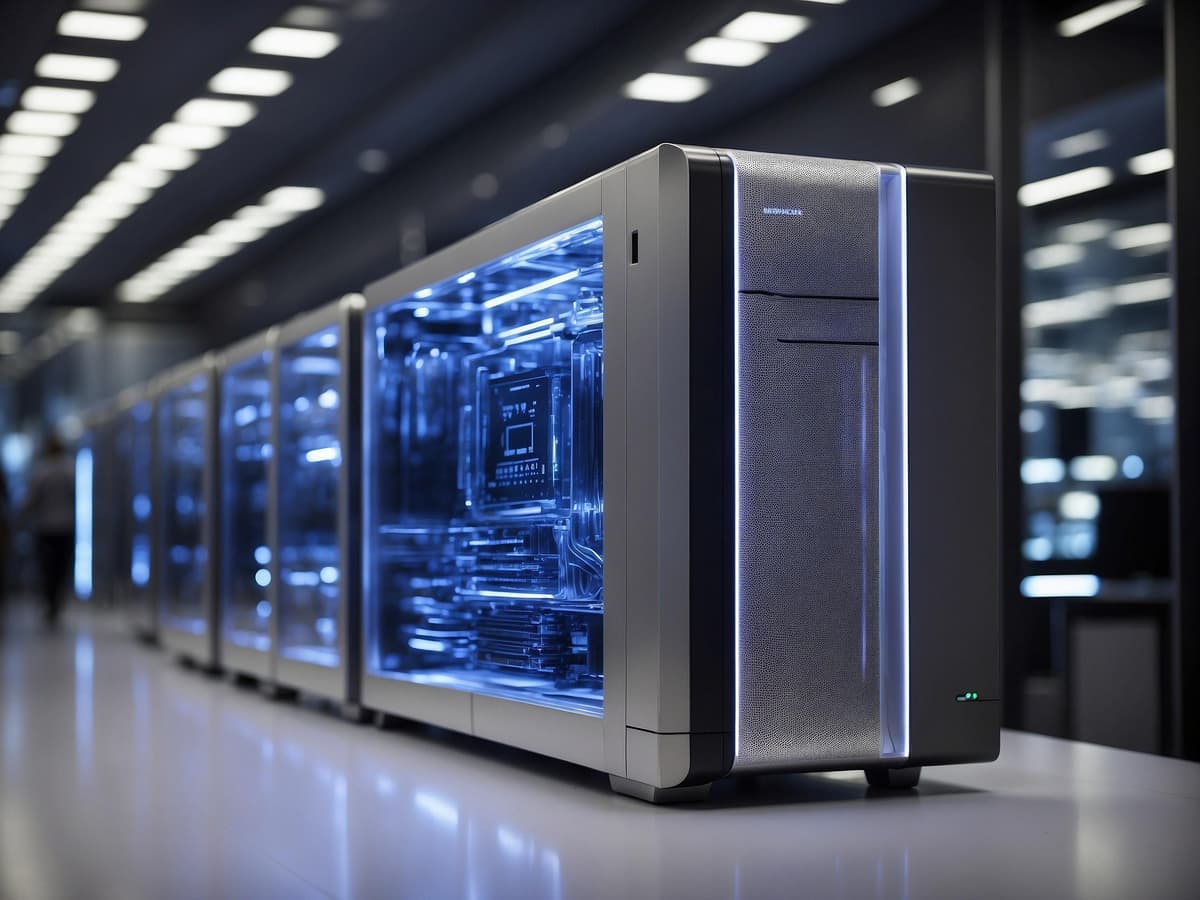
Global demand for data center capacity is surging, driven by cloud computing and AI development. Surges in demand have started a global race to build new data facilities — yet they face bottlenecks in power, cooling, and suitable real estate.
A modern build runs $39M per MW of capacity, with compute (servers) the largest line item at $25M/MW and networking at $4.3M/MW. The remaining stack — UPS, switchgear, power distribution, chillers, generators, and cooling towers — adds several million per MW plus engineering and construction fees.
To visualize the scale: 1 gigawatt (1,000 MW) is roughly the continuous electricity used by ~800,000 U.S. homes. A single 100-MW data center can draw as much power as a mid-size city. This tension between surging demand and physical constraints is redefining strategy across the sector.
The Cost Stack Breakdown
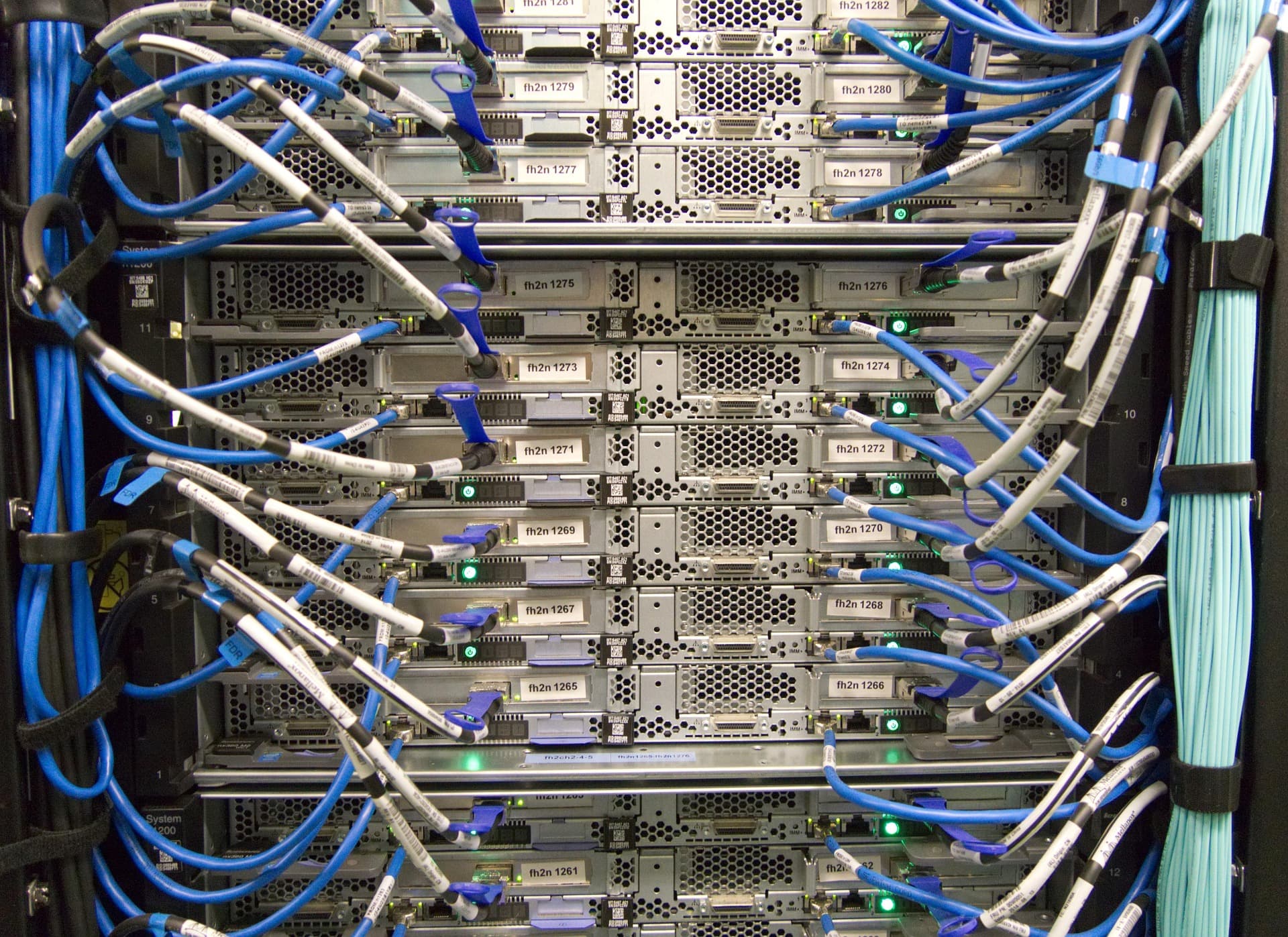
Compute & Networking (75% of spend) Servers (Super Micro Computer; GPUs from Nvidia, AMD, or Intel) and fabrics (Arista Networks) dominate per-MW cost and represent the primary demand signal from AI.
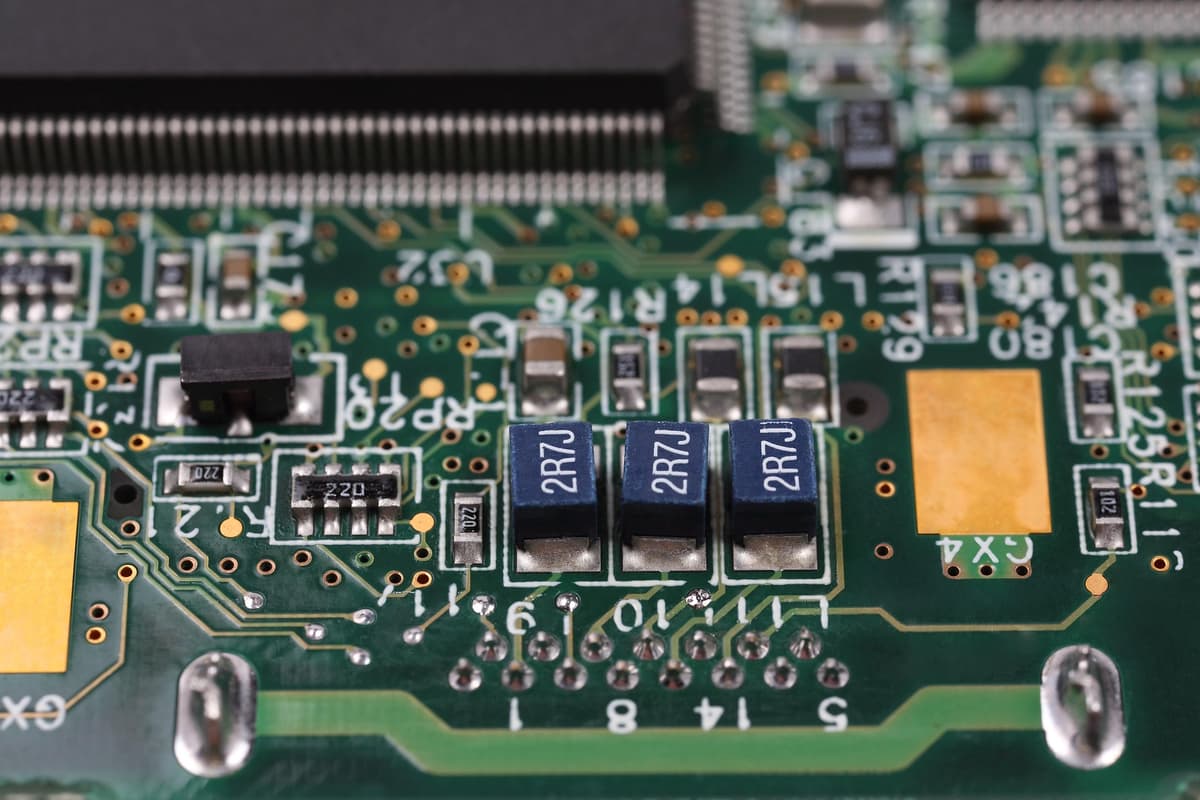
Power & Cooling UPS, switchgear, and power distribution (Schneider, Vertiv, Eaton); chillers and CRAHs (Johnson Controls, Trane, Carrier); cooling towers (SPX Technologies); and backup generators (Caterpillar, Cummins) are mission-critical for uptime.
Build & Design Engineering (Jacobs) and construction fees round out the budget.
Macro Capital Flow Drivers
- Cloud & AI Boom: Hyperscalers (Google, Amazon) and social platforms require massive new server farms, keeping demand pipelines full
- Investment Surge: Institutional capital — from private equity to infrastructure funds — is flowing into development and M&A
- Infrastructure Limits: In key markets (Northern Virginia, London), power-grid and zoning constraints slow new builds, pushing operators toward higher-density racks, liquid cooling, and expansion into new regions
- Pricing Power: Tight space and megawatt availability are driving higher lease rates for operators and vendors with capacity or critical gear
Risks to Monitor
- Rising Costs: Higher energy prices and interest rates increase operating expenses, pressuring margins and IRRs for new builds
- Overcapacity Pockets: If demand waves cool, some metros could see temporary overbuild and idle capacity
- Regulatory/Community Pushback: Environmental rules or local moratoriums can delay or halt projects in critical hubs
- Technology Shifts: Efficiency gains and edge computing could reshape where capacity is built
Strategy & Forecast
Quality and timing are key. GZC favors leading companies and critical-path vendors on price dips — particularly those exposed to the biggest spend buckets (servers, networking, power, and cooling). On the equipment side, we focus on vendors tied to:
- Compute densification and AI fabrics (servers, networking, optics)
- Power resilience (UPS, switchgear, distribution, generators)
- Thermal innovation (CRAHs, advanced air/liquid cooling)
Summary
Data centers are the factories of the Information Age. Even as the industry grapples with power availability, real-estate constraints, and rising costs, the secular trend of data and AI remains intact. For long-term investors, selective exposure to this backbone of the internet offers both stability and growth — with disciplined attention to regional power dynamics and technology cycles.
This publication is for informational and educational purposes only and does not constitute investment advice, an offer to sell, or a solicitation to buy any securities. All opinions reflect the current views of Green Zone Capital and are subject to change without notice. Past performance is not indicative of future results. Investing involves risk, including possible loss of principal. For additional information or official materials, please visit greenzonecapital.com or contact info@greenzonecapital.com.