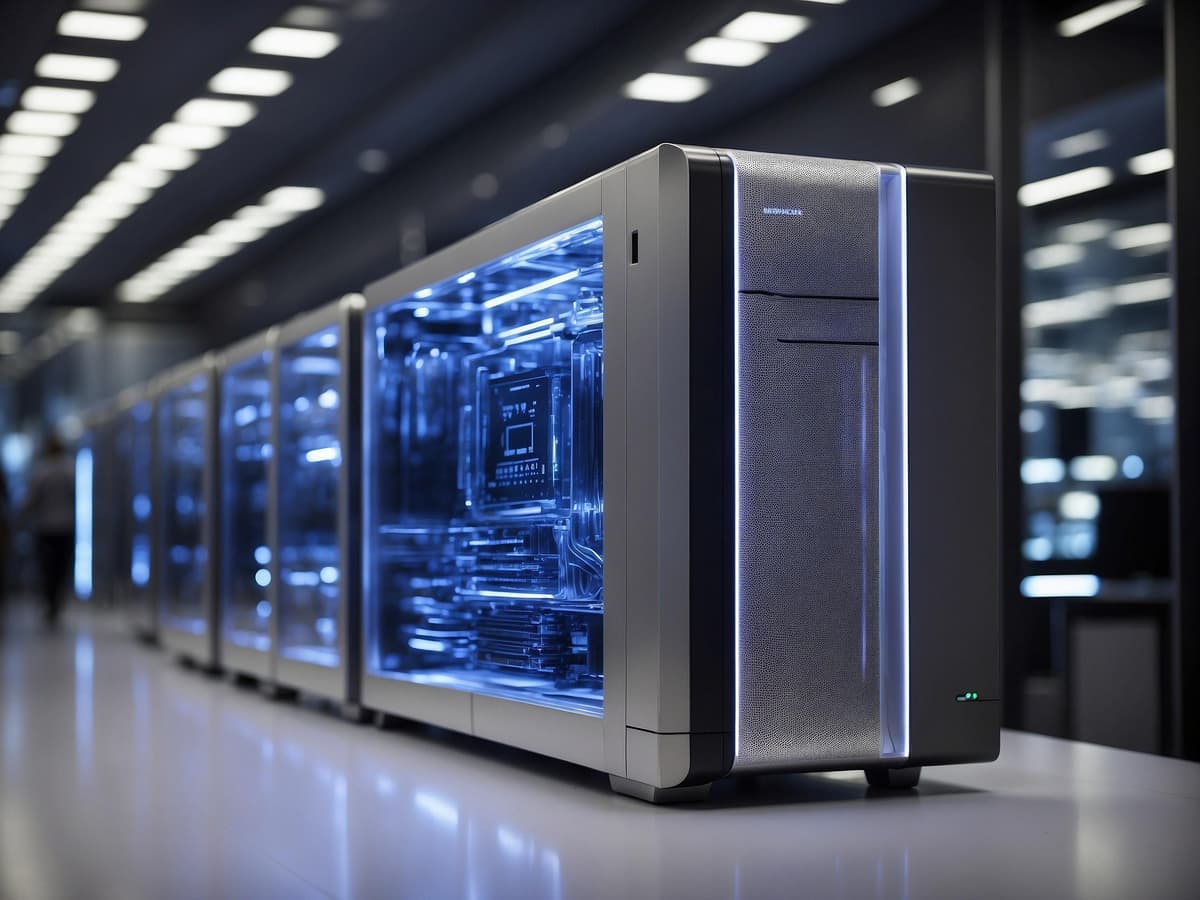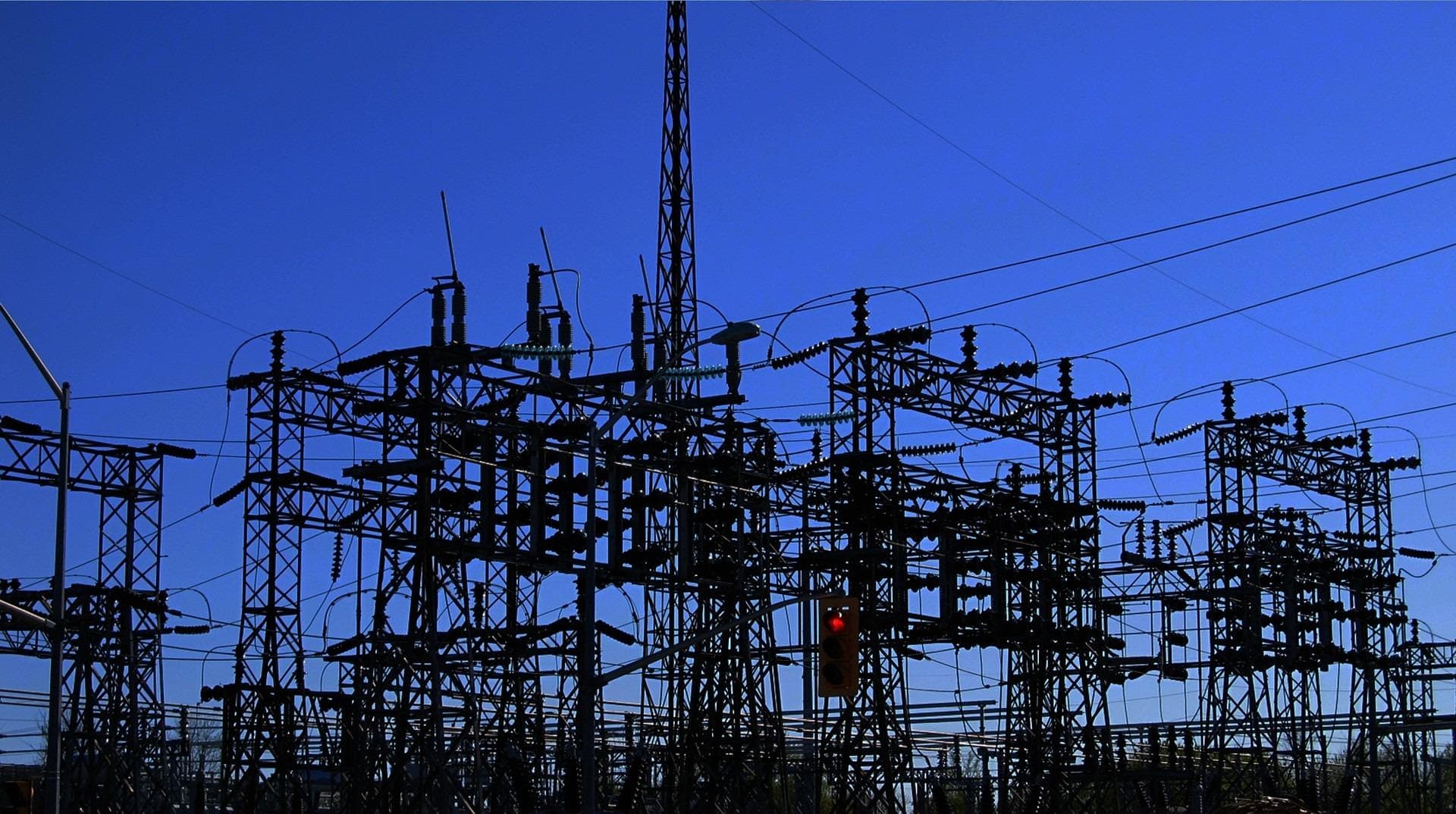
From data centers to AI, the tech sector's hunger for electricity is outpacing legacy grids. Power prices, interconnect queues, and thermal limits are now strategic variables that can accelerate or cap the build-out of compute. At Green Zone Capital, we treat energy as part of the same capacity chain as chips, switching, and cooling.
GZC Thesis
Most grids were engineered for past load profiles — not for halls of high-density racks and 24/7 AI inference. Regions with slow interconnect timelines or fragile generation stacks are already seeing data-center delays, curtailments, or forced design compromises. That tension is spawning two parallel lanes of investment:
- Grid Modernization: More transmission, transformer upgrades, storage, and flexible demand response
- On-site Contracted Baseloads: Long-dated PPA deals, behind-the-meter renewables and batteries, and — in select jurisdictions — SMRs and advanced thermal solutions
GZC expects 2025–2035 to be defined by massive capex across both lanes.
Key Technical & Fundamental Zones
| Metric | Level | Implication |
|---|---|---|
| Crude Oil | $60–$100 | Manageable input costs; sustained break above $100 raises alarms |
| U.S. Natural Gas | $3/MMBtu | Ideal; drift toward $5 signals tightening power markets |
| Regional Power Forwards | Widening spreads | Foreshadow interconnect bottlenecks |
| Data Center PPA Tenor | Longer tenors | Healthier project math; shortening = caution |
Capital Flow Drivers
Exploding Loads AI clusters, hyperscale cloud, and industrial electrification are pushing electricity demand higher, with density per rack rising as liquid/hybrid cooling and high-draw accelerators become standard.
Grid Investment Gaps Utilities and governments are moving, but long-lead assets — transmission corridors, substations, transformers — can take years. That lag creates regional bottlenecks even as data-center capex keeps growing.
Decarbonization Pragmatism ESG targets have evolved. Operators are signing 24/7 carbon-matching PPAs, adding on-site solar and storage for resilience, and exploring SMRs for campus-level baseload.
Mid-term Outlook (2030)
A visible ramp in grid modernization awards (transmission, equipment, utility-scale storage) and a steady flow of long-dated PPA deals tied to new sites. Several next-gen nuclear and advanced geothermal leaders should reach decision points; a handful may co-locate with heavy digital loads.
Long-term Outlook (2035)
Regions that solve for reliable megawatts — permitting, interconnect speed, and credible baseload — will attract fabs, AI campuses, and cloud expansions. Expect tighter coupling between IT and energy: AI-assisted grid operations, load shaping, and EV fleets acting as distributed storage.
GZC Strategy & Active Allocations
- Grid Enablers: Transmission, high-voltage equipment, utility-scale storage, demand-response software
- Data Center Power: UPS, switchgear, liquid/hybrid cooling
- Clean Baseload Fuels: Uranium producers, SMR/advanced-nuclear developers
- Efficiency Multipliers: Heat-recovery, waste-heat reuse, workload-aware power management
Baseline view: if crude holds below $90 and U.S. natural gas stays between $2–$5, compute buildouts should continue on schedule. If oil sustains above $100 or gas trends toward $5, GZC shifts more defensive near-term.
Risks
- Blackout outages from extreme weather or grid stress in key hubs
- Geopolitical shocks that reprice oil or gas
- Policy wildcards: carbon taxes, permitting shifts, or caps on DC energy usage
- Efficiency lag if chip and cooling efficiency fails to keep pace with demand
Summary
Energy remains the invisible backbone of every digital frontier. In the decade ahead, power strategy will separate firms that compound from those constrained by the grid. GZC's focus is to own the infrastructure behind this shift — grid equipment, thermal and power systems, clean baseload, and efficiency technologies are the main bottlenecks sustaining the technology growth curve.
This publication is for informational and educational purposes only and does not constitute investment advice, an offer to sell, or a solicitation to buy any securities. All opinions reflect the current views of Green Zone Capital and are subject to change without notice. Past performance is not indicative of future results. Investing involves risk, including possible loss of principal. For additional information or official materials, please visit greenzonecapital.com or contact info@greenzonecapital.com.