The Thesis in One Sentence
The United States and much of the developed world is facing a transformer supply shortage severe enough to delay both AI data center buildout and grid modernization by multiple years — and the companies manufacturing these components have pricing power, backlog visibility, and limited competitive exposure that makes them among the most compelling infrastructure investments available in public equity markets today.
Background: What a Transformer Does and Why It Matters
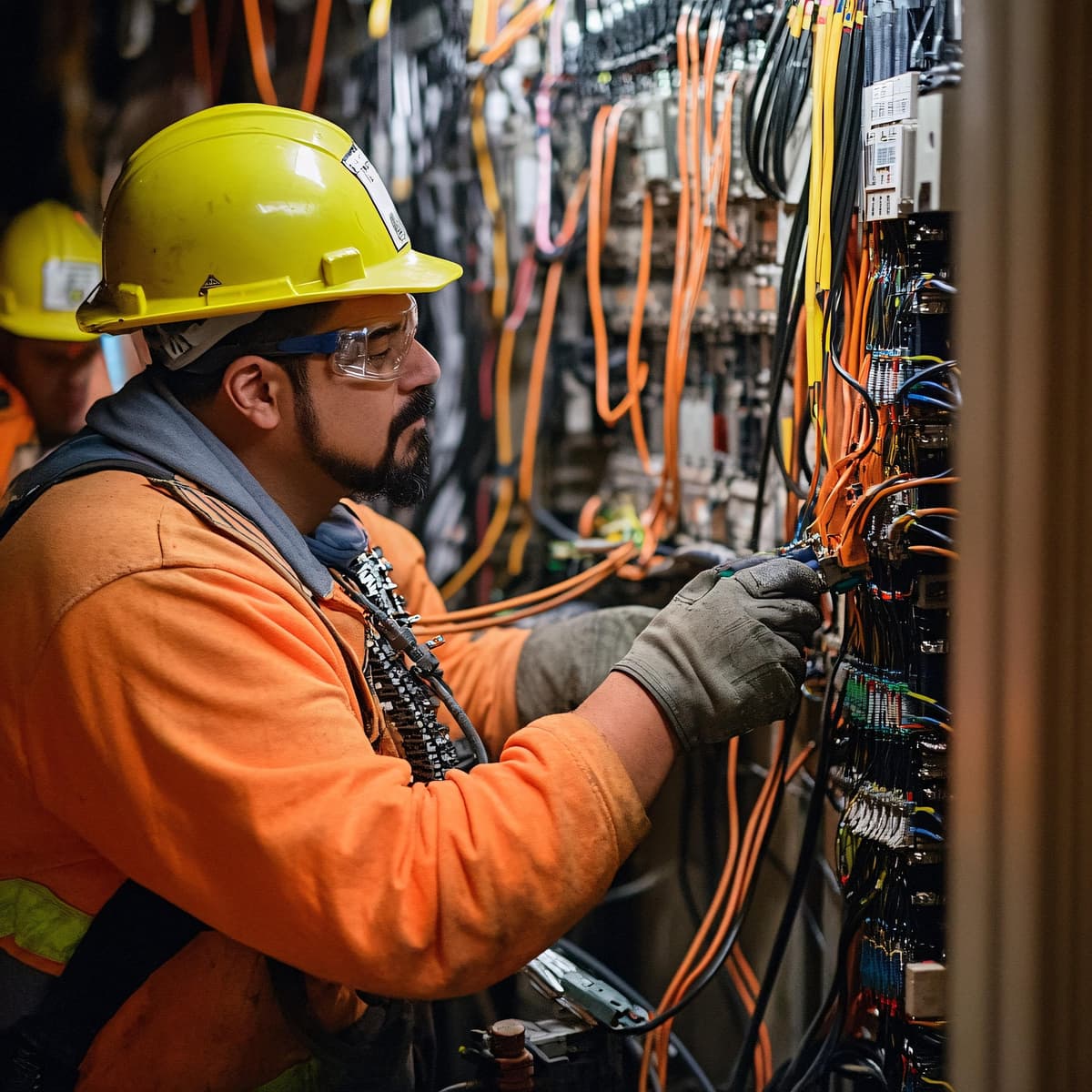
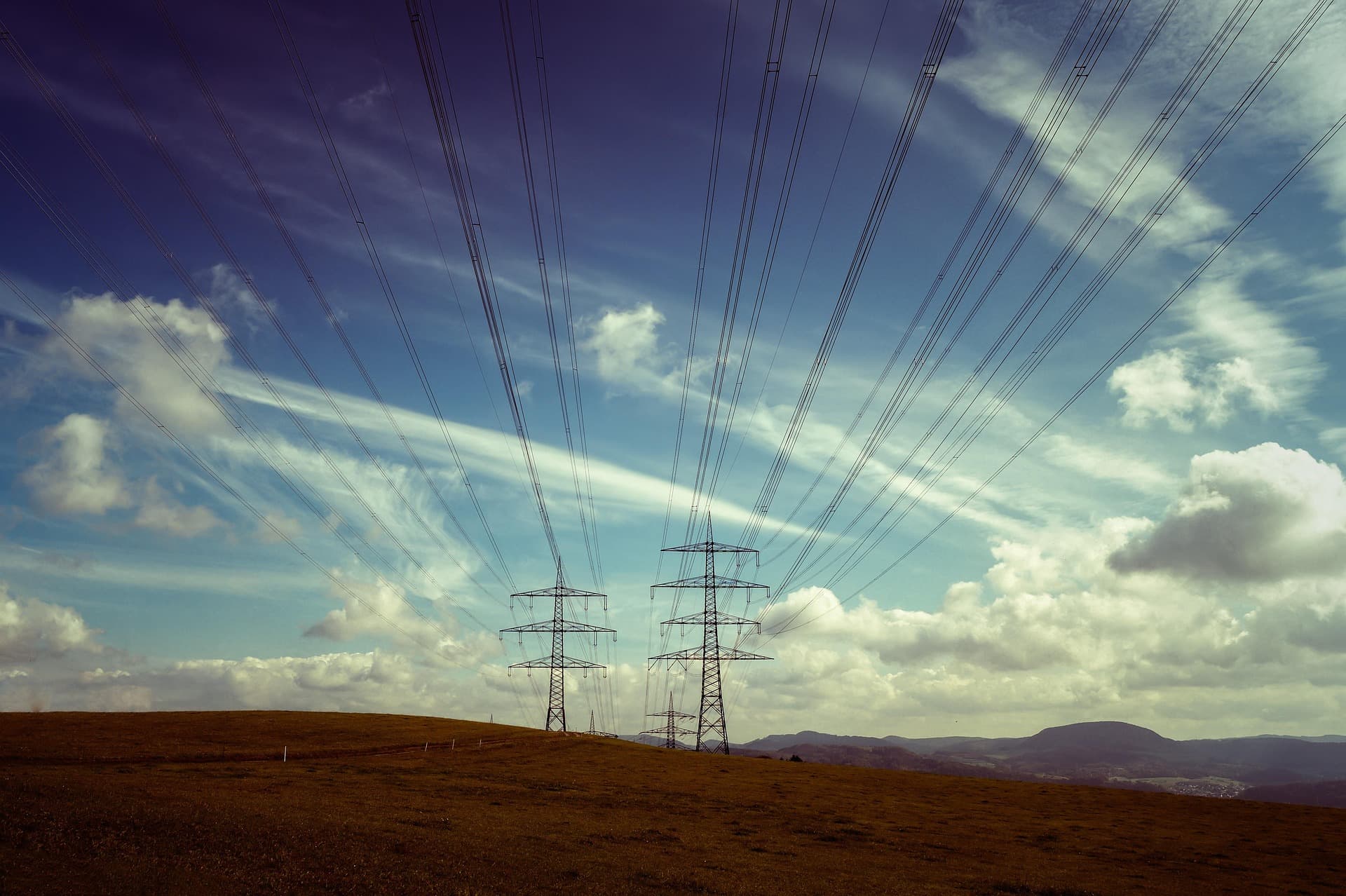
A transformer is not a glamorous component. It is a large, heavy, industrial piece of equipment that steps voltage up or down as electricity moves through the transmission and distribution grid. Without transformers at the right scale and specification, power cannot be delivered from where it is generated to where it is consumed.
For most of the past two decades, transformer procurement was a routine maintenance and upgrade function for utilities. Lead times were manageable — typically 12 to 24 weeks for standard distribution transformers, and 12 to 18 months for large power transformers used in transmission substations. Grid operators planned their procurement cycles around these lead times and generally had reasonable visibility into their equipment needs.
That world has changed.
The Current Shortage: Scale and Causes
Lead times for large power transformers — the multi-hundred ton units that sit at transmission substations and high-voltage interconnects — have extended to 2 to 4 years in many cases. Standard distribution transformers, which are needed in significant volumes to energize any new large load, have stretched to 12 to 24 months. In some utility procurement cases, the equipment has simply not been available at any reasonable lead time.
Multiple forces are converging to create this shortage:
Domestic manufacturing erosion: The United States allowed its transformer manufacturing base to atrophy significantly over the 1990s and 2000s as cheaper imports, primarily from Korea and Eastern Europe, captured market share. Today, domestic manufacturing capacity is insufficient to serve current demand, let alone the demand surge underway.
Import concentration risk: The import supply that replaced domestic manufacturing has its own vulnerabilities. Major exporting regions face their own demand surges as European grid modernization programs and Asian industrial growth compete for the same manufacturing capacity.
Simultaneous demand shocks: Three major demand drivers are hitting the transformer supply chain at the same time: utility grid modernization programs funded by federal infrastructure legislation, data center buildout driven by AI infrastructure investment, and electrification of industrial processes and transportation. Each of these would be manageable in isolation. Their simultaneous occurrence is creating a supply-demand mismatch that cannot be resolved quickly.
The AI Data Center Connection
Data centers at scale are significant power loads. A modern hyperscale AI training facility may require 100 megawatts or more of continuous power. Connecting that load to the grid requires transformers — specifically, large power transformers at the substation level and medium-voltage distribution transformers to route power through the facility. The procurement and installation of this equipment is now one of the primary gating factors on data center construction timelines.
We have tracked multiple situations where a data center developer had a fully permitted site, a signed power purchase agreement, and a construction contract in hand — and faced a 2 to 3 year delay waiting for transformer equipment. In one case we researched, a major technology company's data center expansion timeline was extended by 18 months specifically because of substation transformer lead times.
This is a forced-spend dynamic of the highest order. The data center will be built. The AI investment cycle will continue. The transformers must be procured. The question is only when — and the answer depends on the manufacturing capacity available.
Investable Names and the BTT Framework
Applying our Bottleneck-to-Ticker process to this analysis, we identified three categories of investable exposure:
Transformer manufacturers: Publicly traded companies with significant transformer manufacturing operations are in an extraordinarily favorable position. They have multi-year backlogs, pricing power they have not seen in decades, and capacity constraints that protect their competitive position. We look for companies with domestic manufacturing presence, established utility customer relationships, and balance sheets capable of funding capacity expansion.
Switchgear and distribution equipment: The broader power distribution supply chain — including switchgear, circuit breakers, and medium-voltage distribution equipment — faces similar dynamics. Companies serving this segment benefit from the same demand drivers and supply constraints as transformer manufacturers.
Engineering and procurement services: Companies that manage the engineering and procurement of electrical infrastructure for large construction projects are benefiting from elevated activity and increased complexity in the supply chain.
Position Sizing and Risk Factors
Our conviction in this thesis is high enough to justify meaningful position sizes in qualifying companies. The demand durability is multi-year, the supply constraint is real and verified, and the pricing environment is favorable for manufacturers.
The primary risk to the thesis is a significant slowdown in data center investment or a faster-than-expected utility sector pullback. Both scenarios are possible but, in our assessment, unlikely in the 2025 to 2027 timeframe given the commitments already made. A secondary risk is the emergence of significant new transformer manufacturing capacity outside of incumbent manufacturers — but given the capital intensity and specialized expertise required, we do not expect meaningful new entrants within the 3-year investment horizon.
Conclusion
The transformer shortage is not a temporary supply hiccup. It is the product of decades of manufacturing underinvestment meeting a historic infrastructure demand surge. The companies positioned to benefit from resolving this bottleneck have visibility, pricing power, and competitive moats that we rarely find this clearly defined. We are building positions in this space and expect it to be a meaningful contributor to the equities pool over the next several years.