Reading the Capex Signals
Capital expenditure announcements from major oil and gas producers are among the most informative signals available to commodity investors. They tell you how the largest, most informed players in the space are thinking about the supply-demand balance over the medium term, what their balance sheet confidence suggests about commodity price expectations, and where the physical infrastructure investment is flowing. For GZC's commodities pool, the 2026 capex cycle is sending several signals worth examining closely.
The Macro Context: Structural Underinvestment
The backdrop for this analysis is a multi-year period of sector underinvestment that is only partially being corrected. Following the 2014 to 2016 oil price collapse and the subsequent ESG-driven capital reallocation away from fossil fuel development, the aggregate level of oil and gas exploration and production investment fell sharply and has not fully recovered.
This underinvestment is not a talking point — it is visible in the data. New field development approvals, measured by final investment decisions (FIDs) per year, remain well below the levels required to offset natural production decline rates from existing fields. The International Energy Agency and other forecasting bodies have consistently noted that current investment levels are insufficient to meet projected demand through the end of this decade, even under scenarios with accelerating energy transition.
What 2026 Capex Announcements Signal
The 2026 capex budgets announced or indicated by major producers reflect two competing pressures:
Restraint on the upstream: Most major integrated oil companies have maintained discipline on new upstream exploration commitments. The painful lessons of the 2010s — when over-investment in high-cost, low-return projects destroyed significant shareholder value — have produced a capital allocation philosophy that prioritizes returns on existing assets and shareholder distributions over aggressive growth spending. This restrained upstream capex is supportive of oil prices over the medium term, as it limits supply growth.
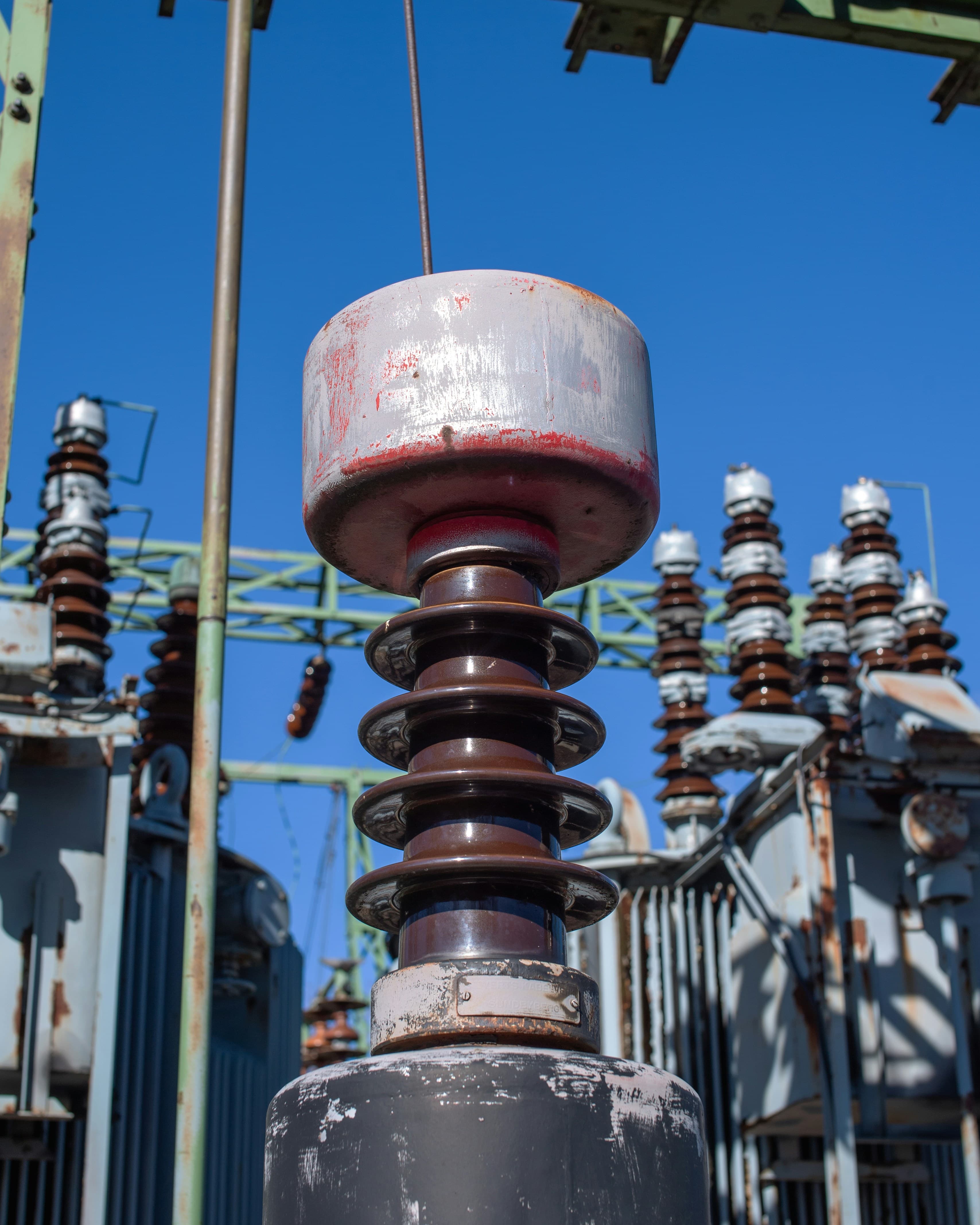
Activity in the midstream and infrastructure: The more interesting capex signals for our analysis are in midstream infrastructure — pipelines, processing facilities, export terminals, and storage capacity. Several major producers and dedicated midstream companies have announced meaningful capital programs in this area, driven by the need to expand takeaway capacity from producing regions and improve export infrastructure to serve growing international demand.
OPEC+ and the Supply Management Challenge
OPEC+ enters 2026 facing a more complex coordination challenge than at any point in recent memory. Several members — most notably the UAE and Iraq — have been pressing for quota increases to reflect their expanded production capacity. Meanwhile, Saudi Arabia is managing the tension between supporting oil prices at levels that fund its Vision 2030 programs and maintaining cartel cohesion that requires accommodating member interests.
Our base case is that OPEC+ manages this coordination challenge through the first half of 2026 but faces increasing strain in the second half as demand seasonality shifts and non-OPEC supply growth from the United States, Brazil, and Guyana continues to add to the global supply picture. This suggests an oil price environment in the mid-$70 to high-$80 range — supportive for our energy positions but not requiring any dramatic price move for the thesis to work.
Shale Activity: Disciplined But Productive
U.S. shale production continues to demonstrate a discipline that was absent during the 2011 to 2014 growth boom. The major shale producers have maintained relatively flat rig counts even as cash flows have improved, choosing to return capital to shareholders rather than aggressively reinvest in growth. This discipline supports the global supply balance and means that U.S. shale will not be the source of a destabilizing supply surge in 2026.
What shale is doing, however, is becoming more efficient. Drilling and completion improvements continue to increase the production per well, meaning that current rig counts deliver more production than the same count would have five years ago. This efficiency trajectory is worth monitoring as it affects the supply response sensitivity to any price increase.
Midstream Implications and GZC's Positioning
For our commodities pool, the 2026 capex analysis reinforces our preference for midstream infrastructure over pure upstream exploration exposure. Midstream assets — pipelines, processing, and storage — provide commodity exposure with fee-based cash flow characteristics that reduce the volatility inherent in upstream businesses. When we hold energy positions, we want exposure to the throughput of oil and gas, not just to the commodity price.
Our current positioning in the commodities pool reflects this philosophy. We own names with significant midstream infrastructure footprints, established customer relationships, and dividend-growth profiles supported by long-term contracts. The capex signals from 2026 reinforce the case for these positions — the infrastructure investment occurring now creates durable earnings power over a multi-year horizon.
Risk Factors
The primary risks to our energy positioning are a global demand recession that reduces oil consumption significantly, or a faster-than-expected resolution of geopolitical supply disruptions that have supported prices. We do not view either scenario as likely in our 2026 base case, but we maintain disciplined position sizing to ensure that our downside in a bear case is bounded.
Conclusion
The 2026 oil and gas capex cycle signals a constructive environment for our commodities pool holdings — not one requiring aggressive commodity price appreciation, but one where the combination of structural underinvestment, midstream infrastructure buildout, and disciplined production management supports durable returns for well-positioned energy companies. We remain confident in our current exposure and will monitor developments through the year.