The AI-Nuclear Connection
The connection between artificial intelligence and nuclear energy is not intuitive at first glance. AI is a software and semiconductor industry. Nuclear energy is a regulated utility sector. They appear to occupy different corners of the investment universe.
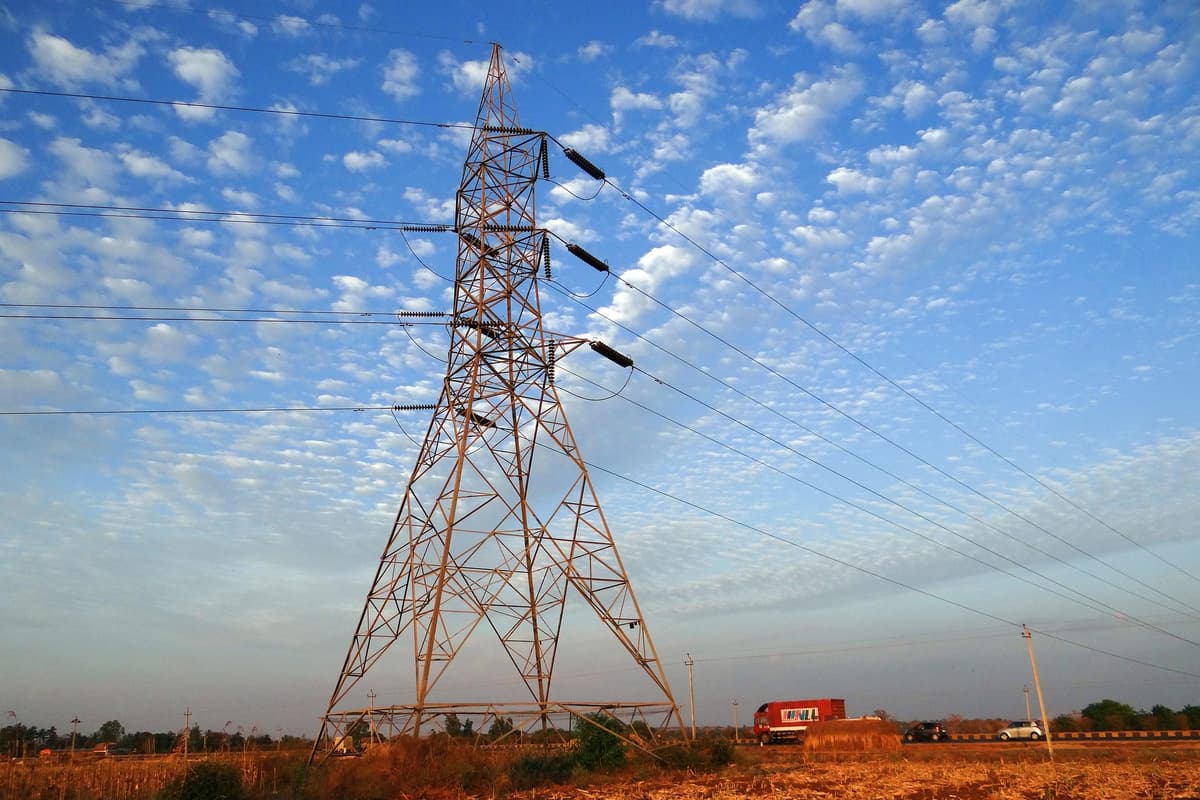
The BTT framework reveals a direct supply chain connection: AI data centers are among the most power-intensive loads on the electrical grid, and nuclear energy is increasingly the preferred baseload power source for hyperscalers seeking to meet corporate clean energy commitments without accepting the intermittency risk of solar and wind. The demand for nuclear power from AI infrastructure operators is real, growing, and creating a demand signal for uranium — the fuel input — that is structurally different from anything the uranium market has seen in decades.
Why Nuclear Is the Preferred AI Power Source
Hyperscalers have made corporate commitments to operate on clean energy — and those commitments are real constraints on procurement decisions, not marketing language. When a major technology company agrees to power its data centers with 100% clean energy, it must source that energy from a mix of generation technologies.
Solar and wind are the obvious candidates and have been the primary clean energy procurement vehicles for most hyperscalers. But they have a structural limitation that AI data center operators find increasingly problematic: intermittency. Solar generates power when the sun shines. Wind generates power when the wind blows. AI training workloads run continuously. The match between intermittent renewable supply and continuous AI compute demand requires either massive battery storage (expensive, limited in scale) or a reliable baseload power source.
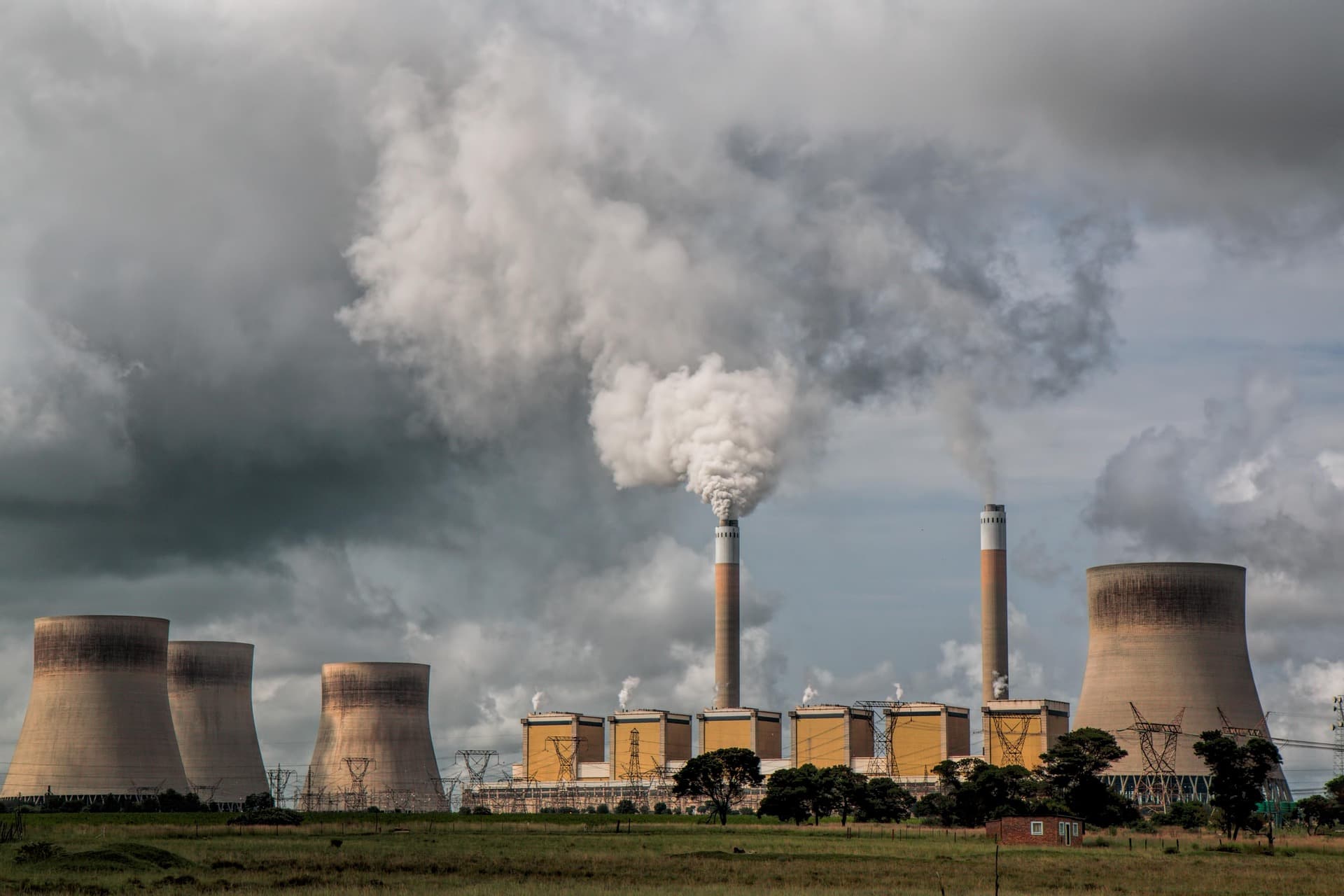
Nuclear is that baseload source. A nuclear reactor generates power continuously, around the clock, in any weather condition. It generates zero carbon emissions. And for a hyperscaler that needs to power a 500-megawatt AI campus 24 hours a day, 365 days a year, nuclear is the only clean energy source that can reliably provide that.
The Uranium Supply Chain
Uranium is the fuel input for nuclear power plants. Unlike oil and gas, uranium does not require continuous exploration and production — a nuclear reactor's fuel requirements are small by volume and can be contracted years in advance. But uranium mining is a capital-intensive, technically demanding industry with significant regulatory barriers, long project development timelines, and production concentrated in a small number of countries and companies.
The key supply chain dynamics in uranium:
Concentrated production: Uranium production is dominated by a small number of producers in Kazakhstan, Canada, and Australia. The domestic US production base was dramatically curtailed during the period of low uranium prices following the Fukushima accident. Rebuilding domestic production capacity requires years of investment and regulatory approval.
Long project timelines: New uranium mines take 7 to 15 years from discovery to commercial production. The pipeline of new uranium supply is finite and well-documented. When demand increases, supply cannot respond quickly.
Contractual markets: Unlike most commodities, uranium is largely traded through long-term contracts between utilities and producers. Spot market transactions represent a small fraction of total uranium traded. When nuclear utilities need to contract new fuel supply — which they must do years in advance — the available contracted supply becomes the relevant pricing variable.
The BTT Framework Applied to Uranium
Uranium is one of the cleanest BTT framework applications in the Commodities pool: the demand is non-discretionary (nuclear reactors must have fuel), the supply is concentrated (limited number of producers, long project timelines, geographic concentration), and the demand signal is growing (AI-driven nuclear power procurement on top of existing nuclear renaissance dynamics).
The combination of these factors — particularly the multi-year contract horizon required for uranium procurement and the inability to rapidly expand supply — creates the pricing power and revenue visibility that BTT targets.
UUUU and the Domestic Production Thesis
Energy Fuels (UUUU) is the primary US domestic uranium producer we track in the Commodities pool. The domestic production thesis is BTT-specific: the United States is implementing policies to encourage domestic critical mineral supply chains, and uranium — as a fuel for the clean energy transition and national security applications — is at the center of this policy environment.
UUUU also has a rare earth element production capability that provides optionality in a second BTT-identified supply chain: rare earth magnets used in EV drivetrains and wind turbines. The combination of uranium production with rare earth optionality in a domestically focused operator is a position with multiple forced-spend demand drivers.
The Duration of the Thesis
Nuclear power commitments are made on decade-long timescales. A hyperscaler that signs a power purchase agreement with a nuclear facility is committing to 10 to 20 years of power procurement. A utility building a new nuclear plant is committing to a 60-year asset with fuel requirements extending decades into the future. Uranium demand, once contracted, does not fluctuate with quarterly earnings.
This duration is the investment opportunity. The forced-spend dynamic in uranium is not a short-cycle procurement decision — it is a multi-decade structural demand commitment driven by the simultaneous tailwinds of AI infrastructure, nuclear renaissance, and domestic energy security priorities.