The Constraint Has Moved
Eighteen months ago, the primary limiting factor on AI infrastructure deployment was GPU availability. NVIDIA's manufacturing partners could not produce accelerator chips at the pace that hyperscaler demand required. This scarcity was real, well-documented, and drove significant investment in GPU-adjacent companies.
The GPU constraint has not disappeared, but it has moderated. Chip manufacturing capacity has been expanding. NVIDIA's supply partners have been adding capacity. The allocation situation has improved. And as GPU availability has improved, a different constraint has become the binding one: power.
Power: What the Numbers Actually Mean
The power consumption of a modern AI training cluster is difficult to conceptualize at a human scale. A single large GPU cluster — the kind used to train frontier AI models — may draw 30 to 100 megawatts of continuous power. At the high end, this is the continuous power load of a small city. To put this in infrastructure terms: serving a 100-megawatt data center load requires the same grid capacity as serving approximately 80,000 average American homes.
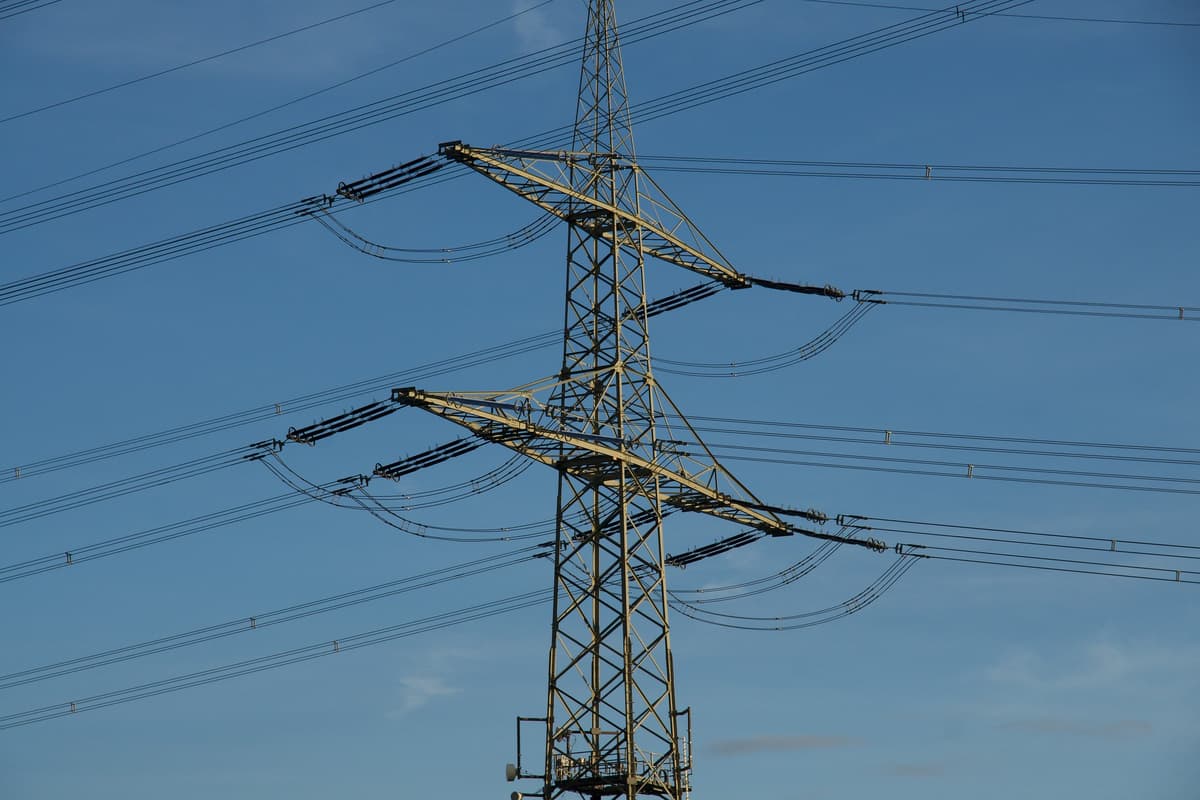
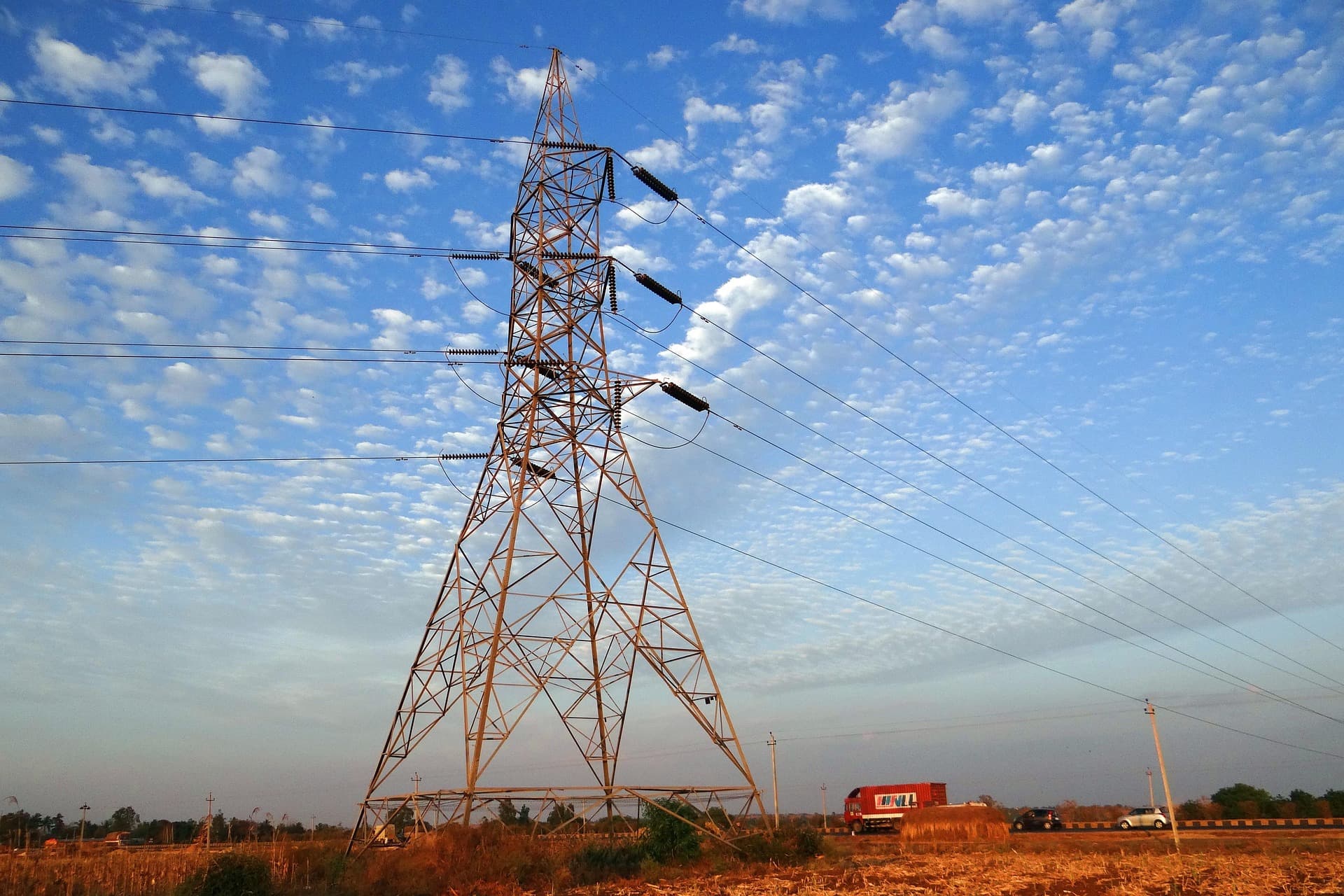
Adding this load to an existing grid is not a simple engineering task. It requires transmission capacity, substation infrastructure, and in many cases, new generation capacity — because the grid in many data center markets is already constrained. The utility must identify where the power comes from, how it gets to the site, and what infrastructure must be built or upgraded to support it.
The Interconnection Queue Problem
The most concrete evidence that power — not chips — has become the binding constraint on AI infrastructure deployment is the state of utility interconnection queues across the United States. These queues — the process by which a developer requests a grid connection for a large new load — have extended dramatically over the past two years.
In several of the most active data center markets, interconnection approval timelines have extended to three to five years for large loads. This means that a hyperscaler that wants to build a 200-megawatt AI campus today may not have grid power available at that site until 2028 or 2029. This is not a permitting problem or a regulatory problem — it is a fundamental infrastructure capacity problem. The grid does not have the capacity to serve the loads that have been committed to, and building the capacity takes time.
The Investment Implication
The shift from GPU scarcity to power scarcity as the binding constraint has important implications for the portfolio:
The opportunity in power infrastructure equipment is multi-year, not cyclical: Grid infrastructure investment does not follow the same cycle as chip manufacturing. A transformer shortage cannot be resolved in twelve months by adding a new production line. It requires years of sustained investment in manufacturing capacity. This duration is the investment opportunity.
The opportunity is in the supply chain, not the utility: Regulated utility equity is not the BTT play here. The forced-spend opportunity is in the equipment and technology that utilities, data center developers, and grid operators must purchase — transformers, switchgear, HVDC systems, substation automation, and power management equipment.
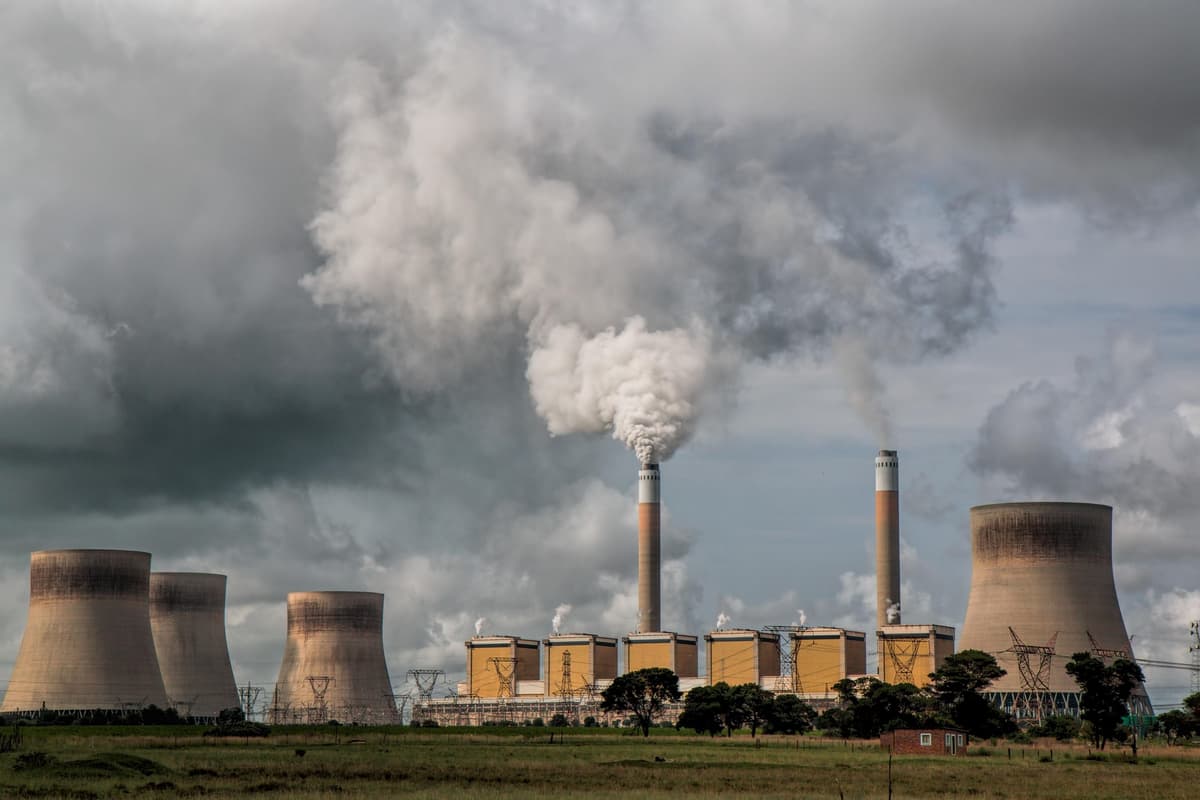
The commodities pool benefits directly: Our Commodities pool holdings in oil and gas, uranium, and power generation are positioned to benefit from sustained energy demand growth driven by AI infrastructure. Natural gas generation is the most flexible dispatchable power source available for serving the rapid load growth that data center buildout creates. Nuclear is increasingly positioned as the preferred long-term baseload option. Both benefit directly from the energy constraint we describe here.
What Resolves the Constraint
The power constraint on AI infrastructure deployment will not resolve quickly. The transmission and distribution infrastructure required to serve the committed AI data center load growth is a multi-decade build. The near-term constraint will moderate as utilities prioritize large load interconnections and as some developers find sites in markets with available grid capacity — but the structural investment cycle in power infrastructure will continue well beyond the immediate scarcity period.
For our portfolio, this means the power infrastructure investment thesis has duration. We are not making a near-term call on grid infrastructure equipment prices — we are making a multi-year structural call on the sustained forced-spend that grid capacity limitations will drive across the electrical equipment supply chain.