The Infrastructure Story Nobody Covers
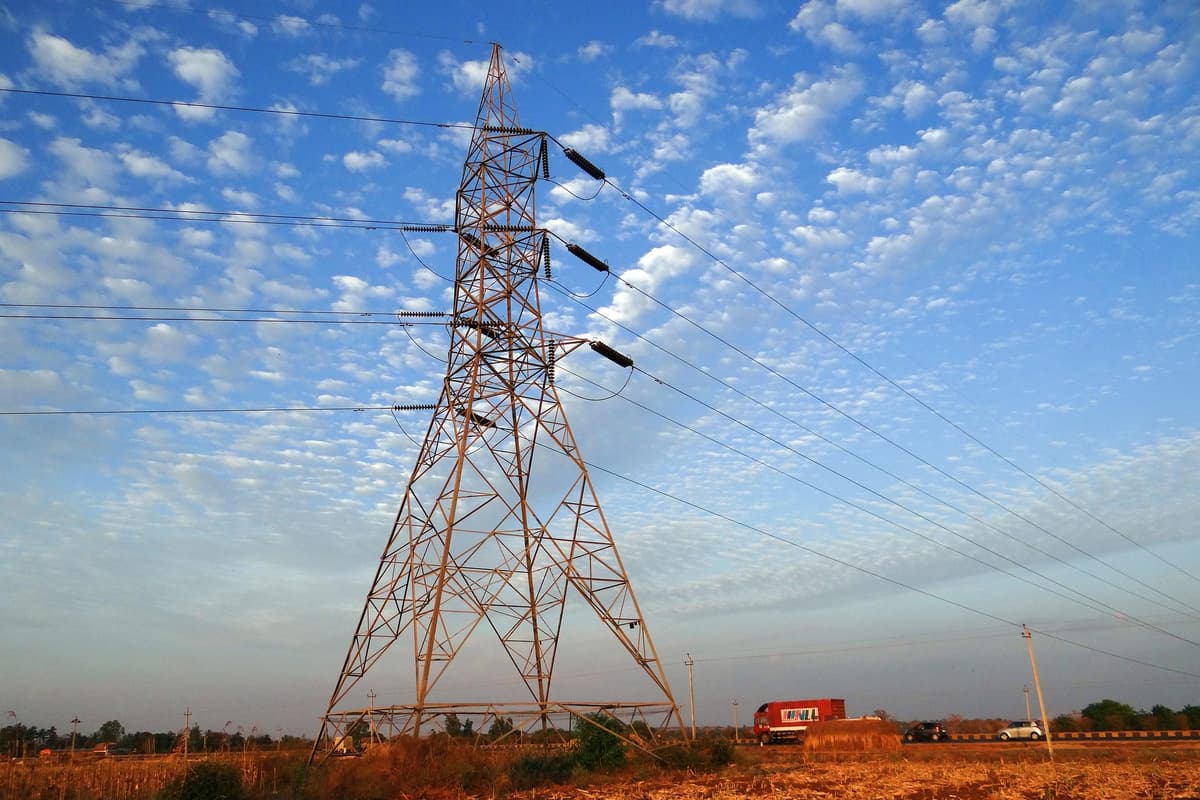
The electrical grid is the least covered critical infrastructure story in equity markets. It is simultaneously the most important infrastructure investment theme of this decade, and the one that receives the least analytical attention relative to its investable significance.
This is a BTT framework opportunity in its most direct form. The supply chain constraint is real, the demand is non-discretionary, and the companies positioned to benefit are systematically undervalued relative to the AI infrastructure companies serving layers closer to the compute.
Why the Grid Is Being Rebuilt
Three simultaneous forces are driving unprecedented grid investment across the United States and much of the developed world:
AI data center load growth: A single large AI campus can require 100 to 500 megawatts of continuous power — comparable to a small city. Adding this load to an existing grid that was not designed for it requires transmission upgrades, new substation infrastructure, and significant additions to distribution capacity.
Energy transition: Electrification of transportation and industrial processes is increasing electrical demand across every sector of the economy. As gasoline consumption converts to grid electricity demand, the grid must expand to serve loads that previously required no electrical infrastructure.
Renewable integration: Solar and wind generation requires grid-level transmission infrastructure to move power from where it is generated (often remote locations) to where it is consumed (urban and industrial centers). High-voltage DC transmission is particularly critical for long-distance renewable energy transport.
HVDC: The Highest-Conviction Grid Investment
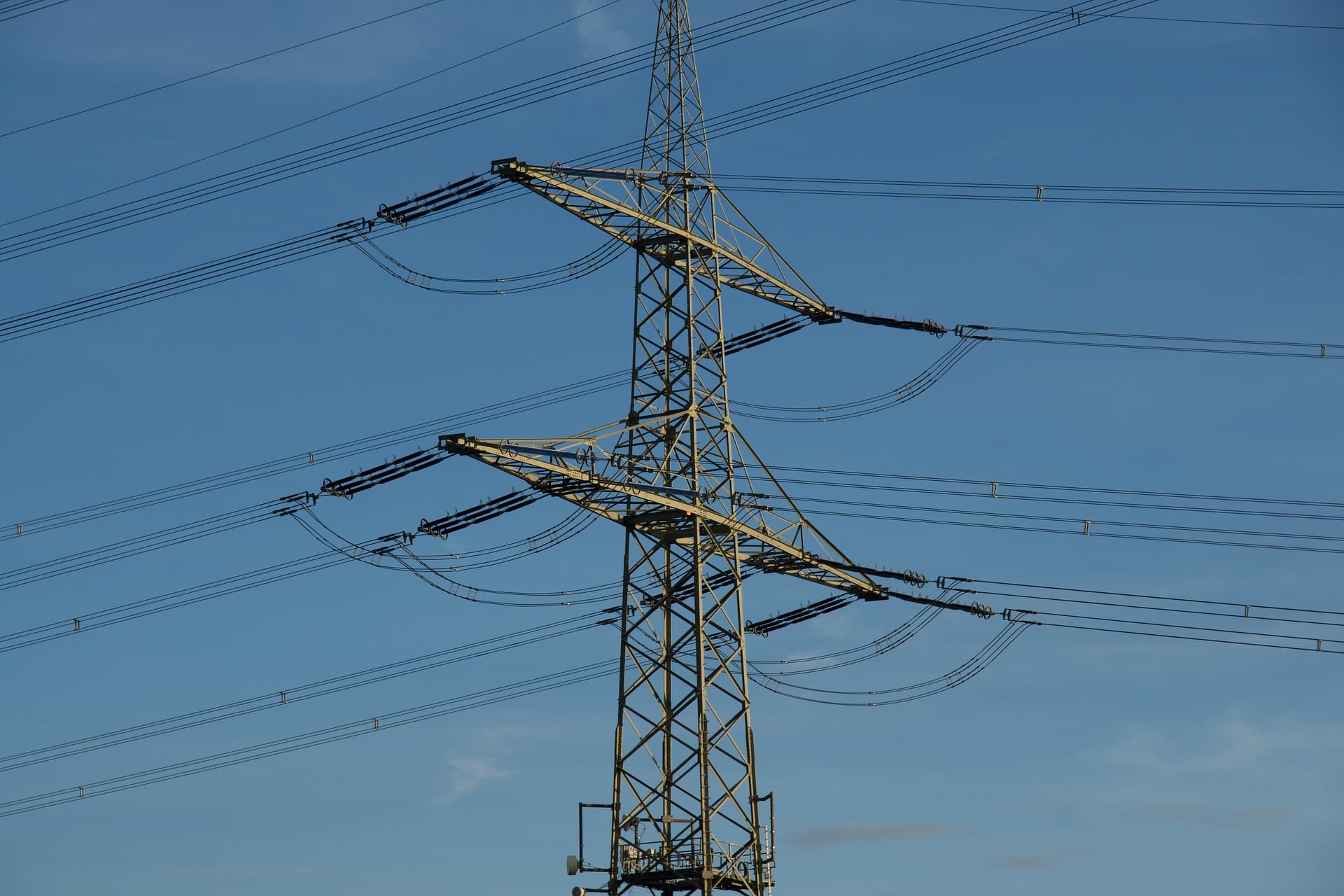
High-voltage direct current (HVDC) transmission is not a new technology, but it is becoming a critical technology for the energy system the AI buildout requires. HVDC transmission is more efficient than AC transmission over long distances, is bidirectional, and can connect asynchronous grids — making it essential for both renewable energy integration and for large-scale power delivery to data center loads that may be located far from existing grid infrastructure.
Applying the BTT framework to HVDC: the demand is non-discretionary (grid capacity additions must be built to serve committed loads), the supply is concentrated (a small number of companies globally can manufacture and install HVDC systems at utility scale), and the procurement cycle is multi-year (HVDC projects have 3 to 7 year development timelines from planning to energization).
Substation Automation: The Software Layer of Grid Infrastructure
The second major grid investment category is substation automation — the digital control, monitoring, and protection systems that allow utilities to operate high-voltage substations with higher reliability, lower manual overhead, and greater visibility into grid conditions.
This category benefits from the same forced-spend dynamics as HVDC, but with an additional driver: cybersecurity regulation. Federal requirements for critical infrastructure protection are mandating grid operators to upgrade digital control systems that, in many cases, are decades old. This regulatory-driven upgrade cycle is non-discretionary by definition — utilities do not have the option of not complying with FERC cybersecurity standards.
The BTT analysis: demand is driven by a combination of capacity growth, operational efficiency, and regulatory compliance. Supply is concentrated in a handful of established companies with the engineering expertise, regulatory relationships, and installed base to win large utility contracts.
Investable Positions and the GZC Approach
GZC's grid modernization coverage is not a utility sector allocation. We do not hold regulated utility equity as a category — the regulatory return structures in the utility sector create a different risk-return profile than we seek. What we hold is exposure to the companies that supply capital equipment and technology to the grid modernization cycle: the equipment manufacturers, the technology providers, and the engineering services companies that benefit from the investment cycle without carrying regulated utility balance sheet risk.
The specific positions vary by the evolution of lead times and competitive dynamics in each sub-category. We track procurement data, utility capital expenditure disclosures, and project pipeline announcements across HVDC, substation automation, transformer manufacturing, and grid monitoring technology.
What Determines Position Duration
Grid modernization is a multi-decade theme driven by structural factors that do not resolve in a single investment cycle. The electrical grid cannot be rebuilt in five years. The infrastructure required to serve AI data center loads at the scale that has been committed to does not yet exist. Building it is a ten-to-twenty year program.
This creates an investment thesis with unusual duration. The forced-spend cycle for grid infrastructure has a longer runway than most of the supply chain positions GZC holds. We size these positions accordingly — core holdings that we expect to manage through multiple market cycles, rather than tactical positions to be held for a single catalyst.
What We Watch Next
The primary monitoring indicators for grid infrastructure investment are utility capital expenditure plan filings, federal infrastructure program disbursement rates, and HVDC project announcement-to-construction lead times. When we see acceleration in any of these, it is a signal that our grid infrastructure positions have room to expand.
The grid modernization story is in its early chapters. The infrastructure required for the energy system the AI buildout demands does not yet exist at the required scale. Every capital commitment to AI data center construction is simultaneously a capital commitment to the grid infrastructure that will serve it.